
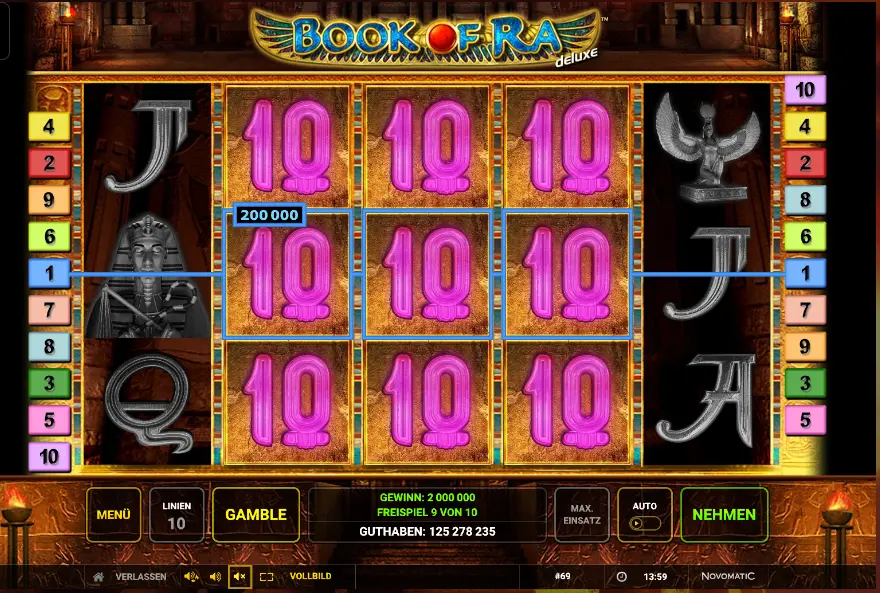
If you’re playing a Book of Slots game in Canada and an error message appears, it’s natural to feel a spike of frustration. Your game just stopped. But if you consult the people who build these games, they’ll tell you that message is doing its job. These notifications are integrated safeguards, not random breakdowns. They exist to ensure the game secure, fair, and legally compliant. Let’s examine why these messages show up and what they’re defending, especially under Canada’s specific rules and tech conditions.
The Role of Error Messages in Game Integrity
View error messages as safeguards for the game’s core mechanics. When Book of Slots halts and shows a notification, the system has usually detected something that could throw off the precise outcome of a spin. This stop ensures every result is produced correctly and can be verified later. For developers, keeping the game state clean is the top priority. It’s how they uphold player trust and fulfill the tough certification standards from regulators like Kahnawake or the AGCO. Those standards mandate that game logic and random number generation stay unmodified from the moment you place a bet to the moment a win appears on screen. Automated error protocols are the guardians of that rule.
Geographic positioning and Permit Compliance in Canada
Gaming rules in Canada are a patchwork set by each territory and territory. Authorized operators have no choice but to apply geolocation, making sure every player is truly inside a jurisdiction where they’re allowed to play. An error can pop up if that check stumbles, even for a second. From a developer’s desk, this is a mandatory line of code. Letting someone play from a banned location could mean substantial fines or a lost license for the operator. So the checks are rigorous. Developers integrate together multiple data points—IP address, mobile GPS, Wi-Fi triangulation—to build a location profile that must pass validation non-stop throughout your session.
Account Protection and Fraud Prevention Measures
Often, an error message is the system’s first reaction to suspicious activity. Automated monitors look for patterns that suggest fraud. That could be bets placed in rapid succession, a chain of failed logins, or sessions moving across countries faster than physically possible. When the system detects this, it might cause an error or a temporary lock to mark the activity for a human to check. This step, while annoying if it happens to you, protects your money and the platform from compromised accounts or bonus fraud. It’s a compromise. A bit of hassle for honest players is deemed worth it to prevent major fraud and keep the whole system secure.
Management of Extra Funds and Wagering Requirements
The guidelines around bonus money are complicated, and they’re a common source for specific errors. Try to bet above the maximum limit with bonus funds, or attempt to play a game that’s excluded from the offer, and the system will intervene. Developers write these rules with precision to automatically apply the casino’s promotional terms. This achieves two things: it keeps the operator compliant, and it prevents you from accidentally violating a rule and later having your winnings forfeited. The error message acts as an instant correction, steering you back to allowed gameplay without requiring a customer service agent for every small error.
Maintenance and Update Procedures
Every operating online platform needs scheduled maintenance and urgent fixes. Developers try to roll out updates when traffic is light, but some players are perpetually online. A message stating the game is temporarily unavailable is part of a controlled shutdown. It’s far superior than permitting people play on a faulty or outdated version. This method guarantees that when you come back, you get a refined, repaired product. It also prevents corrupting data in the course of an update. That managed error is a vital piece of a strategy called graceful degradation, which manages your experience even during crucial tech work.
- Pre-Update Notification:
- Graceful Degradation:
- Post-Update Verification:
Frontend vs. Server-Side Validation
Strictly speaking, errors arise from two tiers https://edenbookings.com/. The primary is client-side, in your web browser or app. It identifies simple things rapidly, like not having enough money in your balance. But every essential check—final balance verification, win computation, validating the random number generator—occurs on the server. If the server observes a mismatch with what your client sent, it sends back an error. This structure is essential. It means you cannot tamper with outcomes from your machine, and all the key game logic exists in a protected, controlled setting. The server is the sole source of truth. Any client data that is inconsistent precisely triggers a protective error.
Player Psychology and Message Crafting
Designers carefully craft the words in an error message. The aim is to minimize annoyance and steer clear of frightening the player. “Transaction Processing, Please Wait” is more reassuring than a technical code like “Error 502.” This approach recognizes a simple fact: the error is technically necessary, but its presentation affects whether a player remains or exits. The aim is to indicate a temporary, fixable hiccup, not a total failure. Canadian developers have an extra layer to consider. They must balance clarity with regulatory needs, making sure messages don’t incorrectly suggest a game fault when the true cause is often a unstable link or an timed-out login.
Connection Stability and Information Sync
Today’s online slots aren’t isolated programs on your device. They’re constantly talking to a remote game server. That connection needs to stay open. If your internet stutters, your game client can fall out of sync with the server. An error message here stops a spin from going through with bad data, which could cause a conflict over what the result should have been. Developers build these checks in so every wager and win is logged accurately on both ends. The system is designed to fail in a safe way. It prioritizes data integrity over letting the game continue, because a financial mismatch damages player confidence way more than a short pause.
- Abrupt decrease in internet bandwidth or latency spikes.
- Switching between Wi-Fi and mobile data during gameplay.
- Backend updates or updates occurring mid-session.
- On-device security software or security software interfering with data packets.
Understanding Frequent Book of Slots Issue Codes
Messages are often plain English, but at times a code pops up. Understanding what these signify can clarify matters. “Session Expired” usually means your login timed out, so you must sign in again. “Transaction Failed” frequently points to a payment processor glitch or a balance sync problem. “Game Not Available” might mean a geolocation failure or that the game assets didn’t load. Developers use these codes for accurate internal logs. When you reach support with a code, they can pinpoint the problem faster. These codes establish an audit trail that’s vital for distinguishing a widespread system bug from a one-off glitch on your device.
- Error 40X:
- Error 50X:
- Generic “Something Went Wrong”:
FAQ
Why do I get errors solely on Book of Slots and not different games on the same platform?
Various games originate from different studios, every one with its own technical configuration and servers. A problem with the particular Book of Slots server, or a slight compatibility problem between its build and your device, can cause errors that look isolated. It does not automatically imply there’s something wrong with your account or the casino platform as a whole.
Is my money safe when an error happens mid-spin?
It is. All transaction states are stored securely on the game server. If an error stops a spin early, the system’s fail-safes assume control. They will one of two complete the spin and credit any win, or cancel the bet and return your stake. Your balance will reflect the right result once you reload the game, because the ultimate decision lives on the server.
Could an error message mean the game is manipulated?
No. Games approved for Canada use Random Number Generators (RNG) that are checked by independent bodies. Error messages are unrelated to RNG outcomes. They are system integrity checks. Their presence may actually indicate that the game is working to enforce fair play and stop corrupted, unverifiable results.
How should I react when I encounter a frequent error?
Start with the basics: refresh your browser, verify your internet connection, wipe your cache, or relaunch the app. If the issues persist, note down the exact message or code. Then get in touch with customer support. That data helps them figure out if the issue is on your end, their end, or with the game provider.
Are VPNs responsible for these error messages in Canada?
Certainly, without a shadow of a doubt. Using a VPN or proxy will nearly always trigger geolocation and security errors. Licensed Canadian casinos are required to know exactly where you are. VPNs mask your real IP address, which causes the compliance systems to block access. You’ll need to turn the VPN off for consistent play on a regulated site.
Are error messages more frequent on mobile devices?
They certainly can be. Mobile networks are inherently less stable. Moving between cell towers, a lost signal, or other apps using bandwidth in the background can break the steady connection the game needs. Playing on a stable Wi-Fi network usually leads to fewer of these breakages compared gov.uk to using cellular data.
So, while an error message disrupts your play, it’s a purposeful part of the online gaming machine from a Canadian developer’s chair. These messages aren’t a sign of a broken product. They are an indication of systems functioning to safeguard security, adhere to the law, secure finances, and uphold the game’s integrity and fairness. Understanding their purpose turns a nuisance into a mark that the platform is paying attention.